
RV road trip preparation can make the difference between a relaxing adventure and a trip filled with unexpected problems. Before you head out, take time to inspect your RV, test important systems, secure your equipment, plan your route, and prepare for emergencies. A little preparation can prevent major headaches.
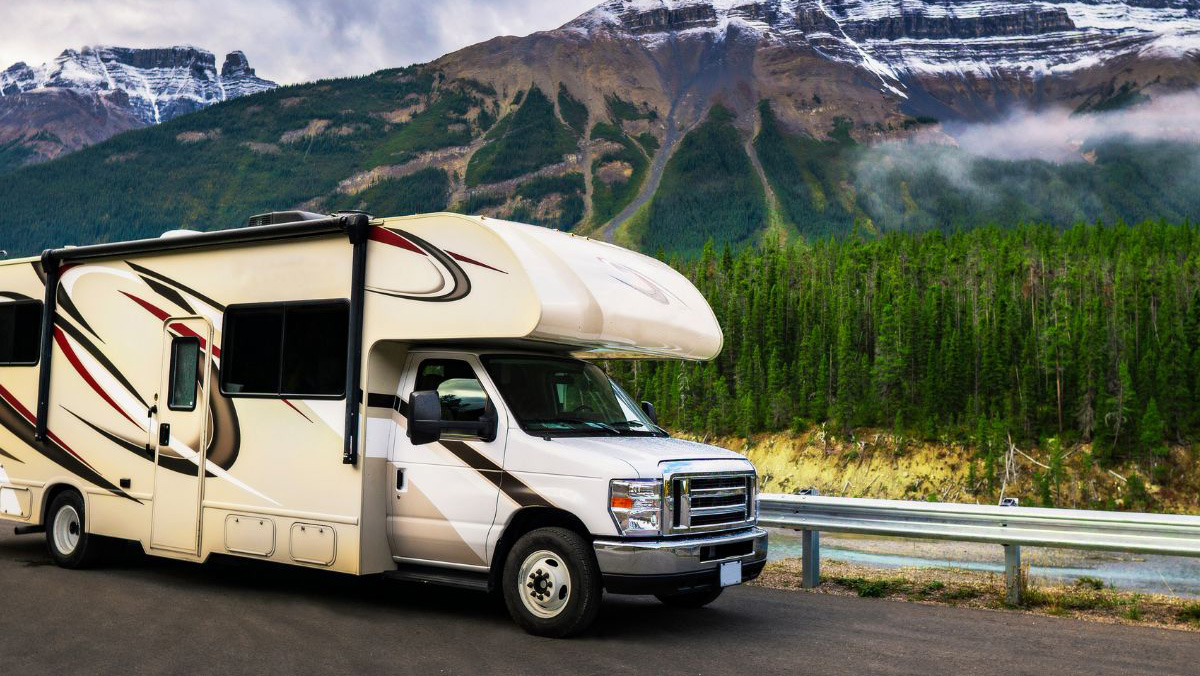
A long road trip in an RV offers a unique combination of freedom, comfort, and adventure. You can explore new destinations, change your itinerary along the way, and enjoy many of the conveniences of home while traveling. However, driving an RV long distances requires much more preparation than a regular car trip.
An RV combines a vehicle, living space, electrical system, plumbing system, appliances, and storage into one unit. A small problem in any of these areas can quickly disrupt your journey. Thorough preparation before departure can reduce the risk of breakdowns, improve safety, and make life on the road more comfortable.
Here are the essential preparations to make before taking your RV on a long road trip.
Give Your RV a Complete Mechanical Inspection
Start with your RV’s mechanical condition. Even if it has been running normally, a long trip places additional demands on the engine, brakes, tires, cooling system, and other components.
Check the engine oil and determine whether an oil change is due. Inspect coolant, transmission fluid, brake fluid, power steering fluid, and windshield washer fluid. Look underneath the RV for signs of leaks that could indicate a developing mechanical problem. Belts and hoses also deserve attention. Cracks, bulges, excessive wear, or loose connections may mean a component needs replacing before departure.
If you are not comfortable doing a detailed mechanical inspection yourself, have a qualified technician inspect the RV. Finding a worn belt or brake issue at home is much easier than dealing with it hundreds of miles into your journey.
Inspect Your Tires Carefully
Tires are especially important on an RV because they carry substantial weight and may sit parked for long periods between trips. A tire can have plenty of visible tread while still being unsuitable for long-distance travel. Check the pressure in every tire when the tires are cold and inflate them according to the RV manufacturer’s recommendations. Do not forget the spare tire. Inspect the sidewalls and tread for cracks, cuts, bulges, uneven wear, or embedded objects. Also consider your tires’ age, not just their tread depth.
Make sure you have the right equipment for a tire problem. Depending on your RV, that may include a suitable jack, lug wrench, pressure gauge, portable air compressor, and roadside assistance coverage. A tire pressure monitoring system can also help on longer journeys because it alerts the driver to significant pressure or temperature changes while traveling.
Test the Brakes and Lights
Your RV’s additional size and weight mean that reliable braking is critical. Test the brakes before leaving, and watch for unusual noises, vibration, pulling, or changes in pedal response. Check your headlights, high beams, brake lights, taillights, reverse lights, turn signals, and hazard lights. If you are towing a trailer or vehicle, test its lights and electrical connection, too.
Mirrors should be clean, correctly positioned, and secure. Good rear and side visibility becomes particularly important when changing lanes, reversing, or navigating narrow roads.
Check the RV Battery and Electrical Systems
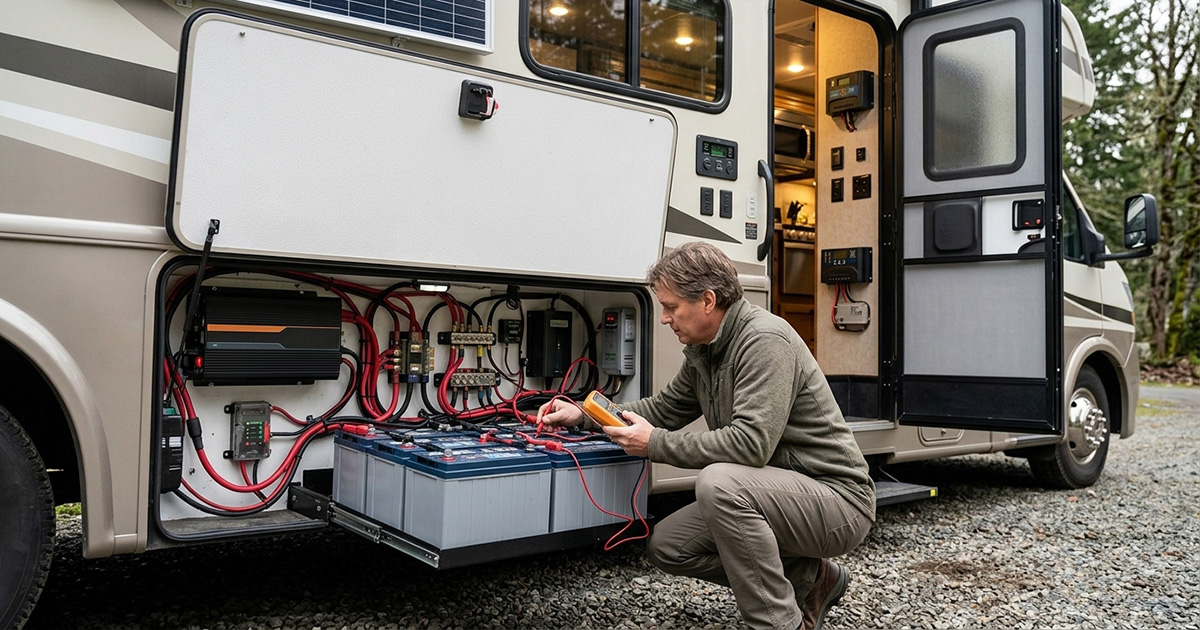
Your RV may rely on separate starting and house batteries, so check both systems before a long journey. Inspect battery terminals for corrosion and make sure connections are tight. Fully charge the batteries and test their condition if they are older or have been sitting unused. Inside the RV, test electrical outlets, interior lights, USB ports, appliances, and charging systems. If you use solar panels, an inverter, or a generator, confirm that everything is operating properly before departure.
Run your generator under load, not just for a few seconds. Check its fuel and oil levels and follow the manufacturer’s recommended maintenance schedule. Carry spare fuses and know where your RV’s fuse panels and circuit breakers are located.
Inspect the Plumbing and Water Systems
A functioning water system makes RV travel considerably more convenient. Before departure, inspect your freshwater, gray-water, and black-water systems. Check visible plumbing connections and hoses for leaks. Run each faucet, flush the toilet, and test the shower. Make sure the water pump operates correctly. If your freshwater system has been sitting unused for a long period, clean and sanitize it according to the manufacturer’s instructions.
Check your sewer hose and fittings for damage, and confirm you have everything needed to connect at a campground. Disposable gloves, a dedicated sewer-hose storage area, and basic cleaning supplies can make waste disposal cleaner and easier.
Test Propane Systems and Appliances
If your RV uses propane, inspect the system carefully. Check the condition of tanks, regulators, and accessible connections, and make sure propane detectors are functioning. Test propane-powered appliances such as the stove, refrigerator, furnace, and water heater before leaving.
Never ignore the smell of propane. If you suspect a leak, shut off the supply when safe to do so and have the system professionally inspected. Your RV should also have working smoke and carbon monoxide detectors. Test them before every major trip and replace batteries when necessary.
Know Your RV’s Height, Width, Length, and Weight
One of the easiest ways to create an expensive problem is to drive an RV somewhere it physically cannot fit. Write down your RV’s total height, including rooftop air conditioners, antennas, solar equipment, or other accessories. Know its width and overall length as well.
Weight is equally important. Don’t fill every cabinet just because storage space is available. RVs have weight limits, and exceeding them can affect handling, braking, tire performance, and mechanical reliability. Pay attention to your Gross Vehicle Weight Rating (GVWR) and other manufacturer-specified limits. If you’re unsure of your RV’s loaded weight, use an appropriate vehicle scale before your trip.
Secure Everything Inside the RV
A smooth-looking road can still cause substantial movement inside an RV. Before driving, walk through the entire living area and secure anything that could fall, slide, swing, or open. Lock cabinets and drawers. Remove loose objects from countertops and tables. Secure televisions and other electronics. Make sure refrigerator doors are properly latched.
Store heavy items low and securely rather than in overhead cabinets. Check exterior storage compartments as well. Tools, grills, chairs, hoses, and other equipment should not shift dramatically while the vehicle is moving. Before every departure, confirm that awnings, slide-outs, steps, vents, and exterior doors are fully retracted or secured.
Prepare Your Safety and Emergency Equipment
Even a well-maintained RV can experience unexpected problems, so emergency preparation should be part of every long road trip. Carry a first-aid kit, fire extinguisher, flashlight, reflective warning triangles, basic tool kit, work gloves, jumper cables or a suitable jump starter, and emergency drinking water. A roadside emergency kit can be especially valuable when traveling through isolated areas.
Consider carrying spare components that are appropriate for your particular RV, such as fuses, bulbs, hose fittings, electrical adapters, and commonly used fasteners.
A dash cam can also be a useful addition for a long RV journey. It provides a continuous visual record of the road ahead and may offer valuable documentation if a collision or unusual road incident occurs. Install it where it doesn’t obstruct the driver’s view, and confirm its storage, power connection, date, and recording settings work before departure.
Plan Your Route for an RV, Not Just a Car
The fastest route on a standard navigation app is not necessarily the best route for an RV. Your vehicle may face restrictions involving bridge height, road width, weight limits, tunnels, steep grades, or propane. Some roads may technically accommodate your RV but still be uncomfortable because of tight turns or difficult terrain. Research your route in advance and use RV-compatible navigation resources where appropriate.
Look at major fuel stops, rest areas, campgrounds, dump stations, and potential overnight locations. In remote regions, identify where long stretches without fuel or services may occur. Avoid letting your fuel level get critically low before searching for a station. Finding an RV-friendly fuel stop can require more planning than refueling a passenger car.
Make Campground Reservations Where Necessary
Spontaneous travel is one of the pleasures of RV ownership, but popular destinations can fill quickly during holidays and peak seasons.
Research campgrounds along your planned route and make reservations for important stops. Check whether each campground can accommodate your RV’s length and whether the site provides the hookups you need. Confirm check-in times, maximum vehicle dimensions, pet policies, generator rules, and electrical service before arrival. For less structured trips, identify several backup locations. Weather, traffic, mechanical problems, or simple fatigue may prevent you from reaching your original destination.
Take a Short Test Drive Before the Big Trip
If your RV has been parked for weeks or months, avoid making the first drive a several-hundred-mile journey. Take it on a shorter local drive first. Accelerate, brake, turn, and drive at highway speeds where appropriate. Listen for unusual noises, and watch for steering, braking, engine temperature, and vibration.
After returning, inspect the RV again for leaks, loose equipment, tire problems, or items that shifted inside. A short test trip lets you catch problems while you are still close to home and have time to fix them.
Conclusion
Preparing an RV for a long road trip involves more than filling the fuel tank and choosing a destination. Mechanical reliability, tire condition, electrical and plumbing systems, safety equipment, route planning, weight management, and emergency readiness all contribute to a safer and more enjoyable journey.
Create a checklist tailored to your RV and complete it several days before departure rather than leaving everything until the final evening. That gives you time to repair problems, replace worn equipment, and purchase forgotten supplies without delaying your trip.
The goal is not to eliminate every possible surprise. Road trips will always involve some unpredictability. Good preparation reduces preventable problems, so you spend less time dealing with avoidable complications and more time enjoying the road.
Jacqueline Johnson

Subscribe To Our Newsletter!
Keep up to date with current road and highway conditions