
RV electrical upgrades can improve battery life, increase off-grid power, reduce generator use, and make travel more comfortable. From lithium batteries and solar panels to inverter systems and surge protection, the right RV electrical upgrades help recreational vehicle owners build a safer, more reliable, and more efficient power system for life on the road.

Recreational vehicles have become more than weekend travel machines. For many owners, an RV is a mobile home, remote office, camping base, and adventure vehicle all in one. As people add more appliances, entertainment systems, solar panels, internet equipment, and comfort features, the factory-installed electrical system often feels limited.
Understanding RV Electrical Systems
A well-planned RV electrical upgrade starts with understanding how the system works. Most recreational vehicles use both 12-volt DC power and 120-volt AC power. The 12-volt side usually runs lights, fans, water pumps, control boards, slide motors, and other low-voltage components. The 120-volt side powers household-style outlets, air conditioners, microwaves, battery chargers, and larger appliances when connected to shore power or a generator.
Upgrading RV Batteries
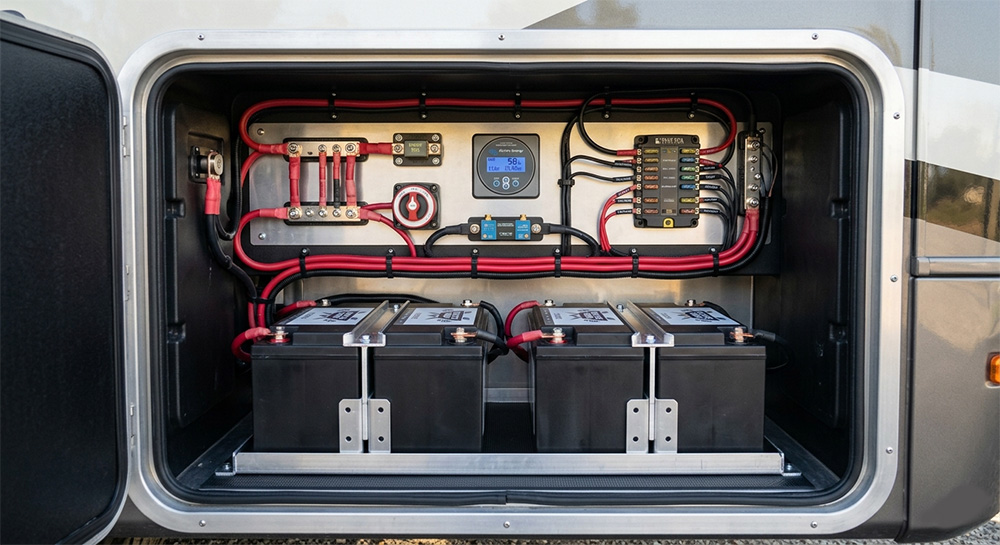
One of the most common RV electrical upgrades is replacing old lead-acid batteries with lithium batteries. Lithium iron phosphate batteries, often called LiFePO4 batteries, are popular because they are lighter, charge faster, last longer, and provide more usable capacity than traditional flooded or AGM batteries.
Lithium Battery Planning
Lithium battery upgrades require proper planning. The RV’s existing converter or charger may not have the correct charging profile for lithium batteries. Alternator charging from the tow vehicle or motorhome engine may also need a DC-to-DC charger to protect the alternator and charge the battery correctly.
Adding Solar Power
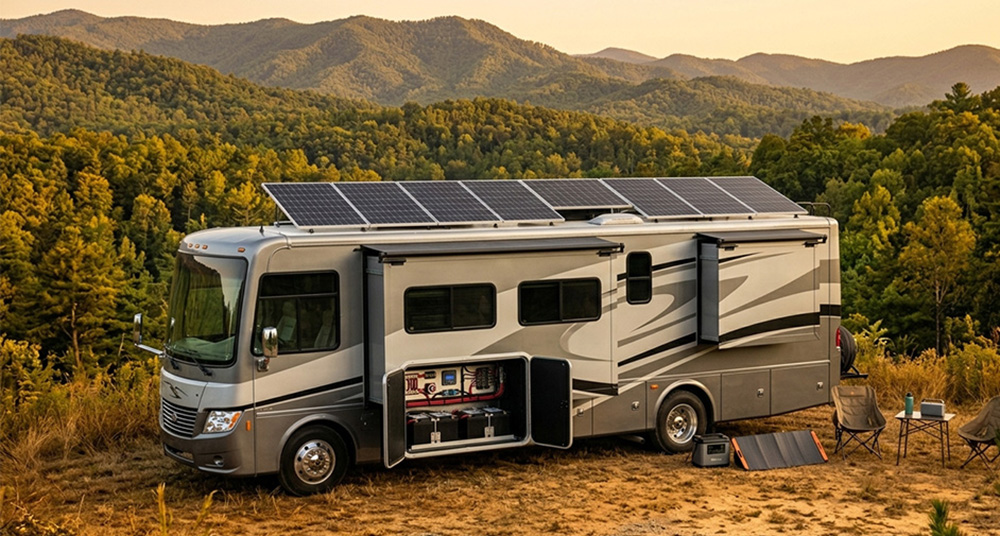
Solar power is another major part of RV electrical upgrades for recreational vehicles. A solar system allows the RV to recharge batteries during the day without relying on shore power or a generator. A basic setup may include solar panels, mounting brackets, wiring, a charge controller, fuses, breakers, and a battery bank.
Choosing a Solar Charge Controller
The charge controller is one of the most important parts of an RV solar setup. PWM controllers are affordable and simple, but MPPT controllers are more efficient and better suited for larger systems. An MPPT solar charge controller can harvest more usable power, especially in changing weather or partial shade.
Installing an Inverter
Inverters are another valuable upgrade. An inverter converts 12-volt DC battery power into 120-volt AC power, allowing household devices to run when shore power is not available. A pure sine wave inverter is generally recommended because it provides cleaner power for sensitive electronics.
Inverter-Chargers for Convenience
Many RV owners also install inverter-chargers. These devices combine an inverter and a battery charger in one unit. When shore power is available, the inverter-charger charges the batteries and passes AC power through to the RV. When shore power is disconnected, it automatically switches to battery power.
Battery Monitoring Systems
Another important part of RV electrical upgrades is a battery monitor. Factory battery indicators are often inaccurate because they estimate charge level based on voltage. A proper shunt-based battery monitor tracks current flowing in and out of the battery, giving a much more accurate reading of state of charge, power usage, and remaining runtime.
Wiring and Circuit Protection
Upgrading wiring and circuit protection is essential when adding batteries, inverters, solar panels, or high-power appliances. Undersized wiring can overheat, waste power, and create fire hazards. Every major circuit should be protected with the correct fuse or breaker.
Grounding and Connections
Grounding and bonding also matter in RV electrical systems. Poor grounds can cause electrical problems, voltage drops, equipment failures, and safety risks. All connections should be clean, tight, corrosion-free, and properly protected.
Shore Power Protection
Shore power protection is another smart RV electrical upgrade. Campground electrical pedestals can have problems such as low voltage, high voltage, open grounds, reverse polarity, and power surges. An RV surge protector or electrical management system can help protect appliances and electronics from damage.
Distribution Panel Upgrades
For RVs with 30-amp or 50-amp service, owners may also consider upgrading the distribution panel or adding subpanels for inverter-powered circuits. This allows selected outlets or appliances to run from battery power while keeping high-demand loads separate.
LED Lighting Upgrades
Lighting upgrades are simple but effective. Replacing incandescent bulbs with LED lights reduces energy consumption and heat. LEDs use far less power, which helps extend battery life during dry camping.
USB and USB-C Charging Ports
USB and USB-C charging ports are practical additions in modern RV electrical upgrades. Many older RVs were built before phones, tablets, cameras, GPS devices, and portable internet equipment became essential travel tools. Adding modern charging outlets reduces the need for adapters and makes the RV more convenient.
Appliance Electrical Demands
Appliance upgrades can also affect the electrical system. Replacing an absorption refrigerator with a 12-volt compressor refrigerator, for example, can improve cooling performance but increase battery demand. Larger appliances may require major RV electrical upgrades.
Running Air Conditioning on Battery Power
Air conditioning is one of the biggest electrical challenges in an RV. Running an air conditioner from batteries requires a large lithium battery bank, a powerful inverter, heavy wiring, and strong charging capability. Soft-start devices can help reduce startup surge.
Generator Integration
Generators remain useful even with solar and lithium upgrades. A generator can provide backup power during cloudy weather, heavy appliance use, or high air-conditioning demand. The best setup often combines solar, batteries, shore power, and generator backup.
Safety Considerations
Safety should be the top priority in any RV electrical upgrade. Incorrect wiring can cause fires, electric shock, damaged electronics, or battery failure. Owners who are not confident should consult a qualified RV technician or electrician familiar with mobile electrical systems.
Buying Parts from an Electrical Parts Store
Choosing quality parts is just as important as the design itself. An electrical parts store can provide essential components such as batteries, inverters, solar charge controllers, circuit breakers, fuses, battery cables, terminals, bus bars, switches, connectors, shore power cords, surge protectors, and monitoring equipment.
Planning Before Installation
Before purchasing parts, RV owners should create an electrical plan. This includes listing all loads, estimating daily energy use, choosing battery capacity, calculating solar input, sizing the inverter, and determining cable and fuse requirements.
Matching Upgrades to Travel Style
The right RV electrical upgrades depend on travel style. A weekend camper may only need lights, fans, phone charging, and a small solar panel. A full-time traveler using laptops, internet equipment, a refrigerator, microwave, and air conditioning will need a much larger system.
Maintenance and Monitoring
Modern electrical systems with lithium batteries, smart chargers, and digital monitors are easier to track and manage. Many devices offer Bluetooth or app-based monitoring, allowing owners to see battery status, solar production, and power consumption in real time.
Resale Value Benefits
RV electrical upgrades can also increase RV resale value. Buyers often appreciate lithium batteries, solar panels, inverter systems, LED lighting, surge protection, and clean wiring. A professionally installed and well-documented system can make an RV more attractive.
Conclusion
RV electrical upgrades can make travel safer, more comfortable, and more independent. Whether the goal is better battery life, solar charging, off-grid camping, or improved appliance support, the key is careful planning and quality components. By working with a reliable electrical parts store and choosing the right equipment, RV owners can build an electrical system that supports their lifestyle on the road. Not to mention, if you plan on installing any security gadgets, this would be a good time plan ahead.
Jacqueline Johnson